Since 1946, the Type Directors Club (TDC) has been the leading voice of typographic achievement, recognising and honouring outstanding work in the fields of communication design, typeface design, and lettering. And it succeeds in championing the best in the business, while remaining inclusive, unbiased, and wholeheartedly global.
For creatives working with typography, the TDC is a universal badge of honour; several designers we’ve featured hold it, including Rozi Zhu, My-Lan Thuong, Sharp Type, and more. Last year’s winners included boundary‑pushing work from independent studios and big-name agencies alike – projects that redefined how type can shape brands, publications, environments, and digital experiences.
If this is your first time hearing about the TDC Competition, let us explain what it’s all about this year. And if you’re considering entering the 2026 edition, let the jury themselves tell you why it’s worth putting your work forward.


What is the TDC Competition, and what does ‘winning’ it mean?
Since its founding, the Type Directors Club has developed a revered legacy and a thriving global community. The TDC is about building community through events and platforms; supporting emerging and early‑career creatives; and recognising excellence in type worldwide. That recognition comes to life each year through its annual contest.
In the TDC71 Competition, for example, there were entries from 60 countries, in 37 languages, using 19 scripts.
A qualified panel of judges appointed by the Jury presidents lead the winning selection process, all of whom are experts in their respective fields. With entries anonymised, the judging is not a popularity contest — it’s peer recognition from those who truly grasp the intention, context, and labour behind each work.
Being selected not only grants you lifetime bragging rights and enhances your CV, but also includes you in TDC’s winners’ showcase, which is visible to a global community of designers and studios.


Why enter this year’s competition?
As Communication Design juror Chris Nott, Co‑founder & Type Director at Studio DRAMA, explains:
“Awards competitions set the bar. They create a shared reference point for what great work looks like and push the industry forward.
They give visibility to the craft and to the thinking behind it. They celebrate the work that goes beyond surface aesthetics and into deeper systems, ideas, and execution.
Some of the most meaningful moments have come from seeing the team recognised. When a project wins, it validates not just the outcome but the months (or in some cases years) of thinking, sketching, testing, and refining that went into it.”
Fellow Communication Design juror Paulina Reyes, Executive Creative Director at Landor, sees competitions as a way to discover what’s next:
“For me, award competitions are a great way to find and elevate new talent, relevant work, and also a wonderful opportunity to network with the creative community.”

What are the juries excited to see in 2026?
Communication Design juror Cat How, Founder and ECD at How&How, is looking beyond trends:
“What I’m not seeing enough of? Bravery. There’s still a lot of technically excellent but culturally safe typography. The work that excites me most is confident enough to take a stance — and trusts the audience to meet it there.”
In Type Design, juror Krista Radoeva, Founder & Typeface Designer at About Type, is drawn to ideas that feel genuinely loved by their makers:
“What stands out to me in a competition, beyond the great execution, is the great idea. You can always tell if the person who did the work actually loves and believes in their result, or is simply trying to please the competition requirements. I am looking for work that has obviously been made with love.”
And on the Lettering jury, Senior Art Director Brett Stenson of Young Jerks admires a bit of versatility:
“Being able to be dynamic with their range is also something that always impresses me, so if someone can wear a few hats (not too many, don’t dilute your sauce too much!) and has a curious mind, that draws me.”


What last year’s winners can teach you
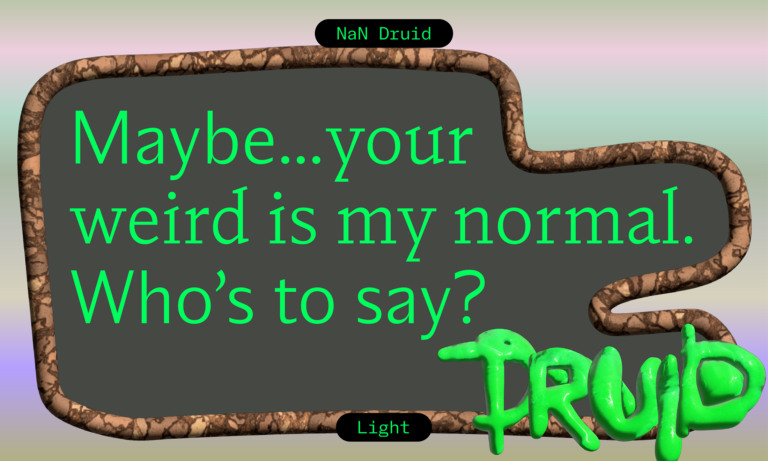
If you’re wondering whether your work ‘belongs’ in the competition, take a gander at some of 2025’s winners. They’re wildly different in style, but unified in clarity of idea and typographic intent—from thoughtful type families like Adapter Text Georgian, which expands a multiscript text system with ergonomics and readability at its core, and Bizzarri, a high‑energy serif family that balances expressive, racing‑inspired headlines with refined text styles, to expressive communication design projects such as Greave, a glass‑based type exploration that turns fragility and protection into a physical lettering system.
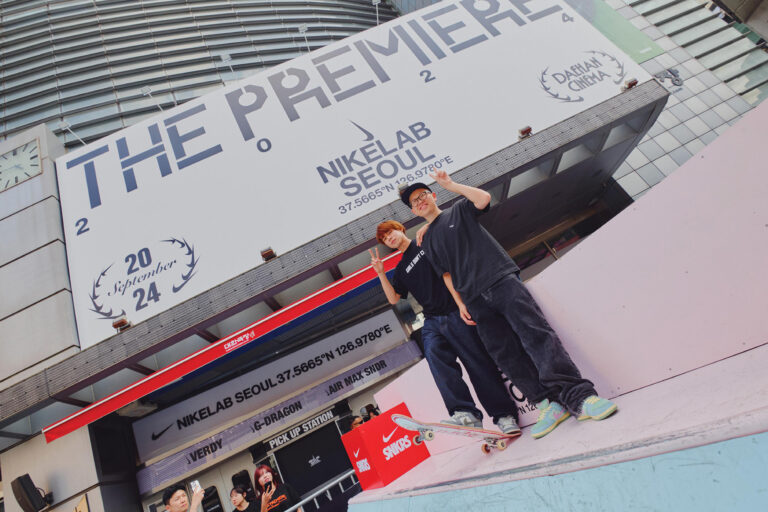
Lastly, The Preview Seongsu Art Fair, a variable identity built on bespoke Korean lettering and rhythmic circular forms that translate the theme ‘Together We Grow’ into a living, adaptive typographic language.
Interested in taking part?
If you work with type — whether as a student, independent designer, studio, or in‑house creative — you’re welcome. You don’t need a particular job title, postcode, or client list. After all, this is a global conversation, not a niche club.
- Note: Students can enter via Young Ones TDC

The Submission Cheat Sheet: (aka ‘how to enter TDC without overthinking it’)
Whether you’re raring to go or waiting for the right time, here’s a guide to prepping your submission with full confidence.
1. Before you start: prep your entry
Check entry specs and media requirements.
Have your images and assets ready before you sit down to enter.
Expect around 10–15 minutes per entry when you’re prepared.
You must provide a primary credit (who created the project).
Add secondary credits if there are collaborators, but they’re optional.
2. Choosing the right project
Trust your instincts: the work that feels strongest to you will likely feel strongest to others.
Don’t disqualify yourself because it’s not ‘perfect.’
Judging happens fast — clarity and strong typography read better than over-polished presentations.
Don’t compare your work obsessively to others; if you believe in it, it’s worth entering.


3. Categories, rules, and how judging really works
Categories are mostly for organising the jury’s workflow.
If you’re unsure, make your best guess; entries are not disqualified for being in the ‘wrong’ category.
As a reminder:
Communication Design (where typography lives in real-world applications: brands, posters, publications, digital, etc.).
Type Design (the creation of typefaces and systems).
Lettering (custom letterforms and typographic illustration).
All entries are judged anonymously — background, job title, or studio size are not deciding factors.
Judges appreciate experimentation and innovation, strong ideas and typographic intent, and work that pushes type forward rather than settling for safe perfection.


4. Mindset tips for first-time entrants
You don’t need to predict what the judges will like — there are multiple judges, with varied perspectives. Use that diversity as permission to experiment.
And even if you don’t win, your work is seen by experts from around the world — this is a chance to “skip the line” and get in front of top type people.
5. Timing and workflow
Start drafts of your entries early; you can refine and revisit before you submit.
You can submit in one sitting or in stages—just don’t miss the final deadline.
For 2026, the final deadline is Friday, February 27th.
If you’re on the fence: when in doubt, enter it. You never know what will resonate.
To see last year’s winners, learn more about the categories, and submit your work for the upcoming competition, visit the TDC website here.