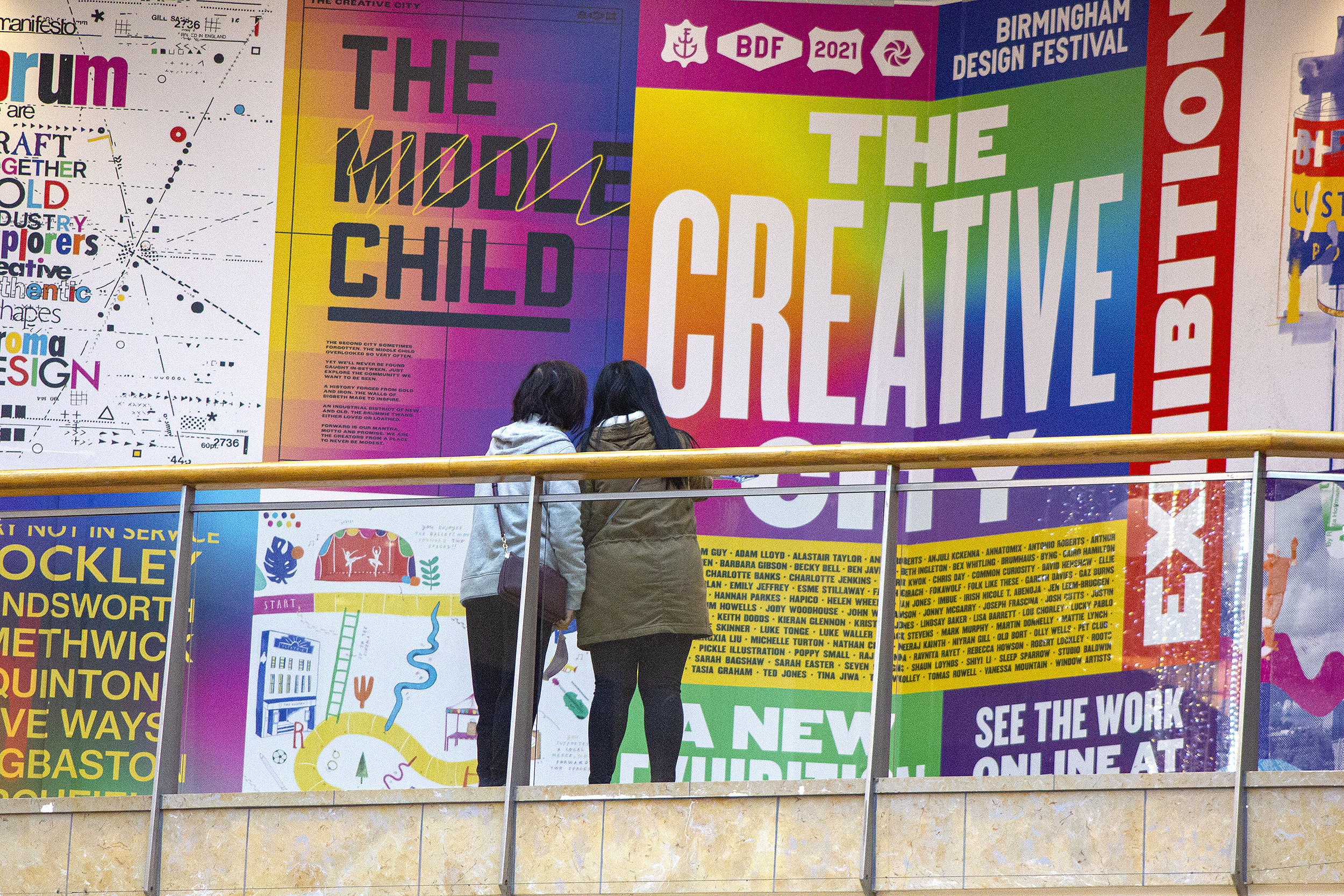

When society, markets, and culture zigzag at unprecedented speed, how does design keep up? And how does design education — preparing the next generations of creatives — stay up to date and relevant too? In collaboration with Birmingham Design Festival, Falmouth University is answering.
During their reevaluation of the undergraduate graphic design course – which universities are required to conduct every 6-7 years – Falmouth University’s Senior Lecturer Ashley Rudolph and Ba(Hons) Graphic Design Course Leader, Andy Neal, recognised the need for transformation. Speaking with industry connections, it was clear that studios agreed.
“We need people that think differently,” says Neal, recalling these chats, “we need students, more and more now, who can think for themselves, who don’t just do what everyone else is doing, who don’t just learn a graphic design history and assume that’s true.” Criticality, he continues, was a recurring keyword.
So the staff took a step back and examined design education’s relationship to the industry – rooted in neoliberal ideology – as well as their own experiences (“25 years worth of doing design was essentially challenged down to its core,” Neal adds) before recasting the undergraduate course. To reflect the industry, champion the idea generation process (a key pillar of the course), as well as emphasise criticality, collaboration, and a broadened sense of where design skills can create impact—encouraging students to question assumptions, understand context, and see their practice as relevant far beyond traditional industry roles.
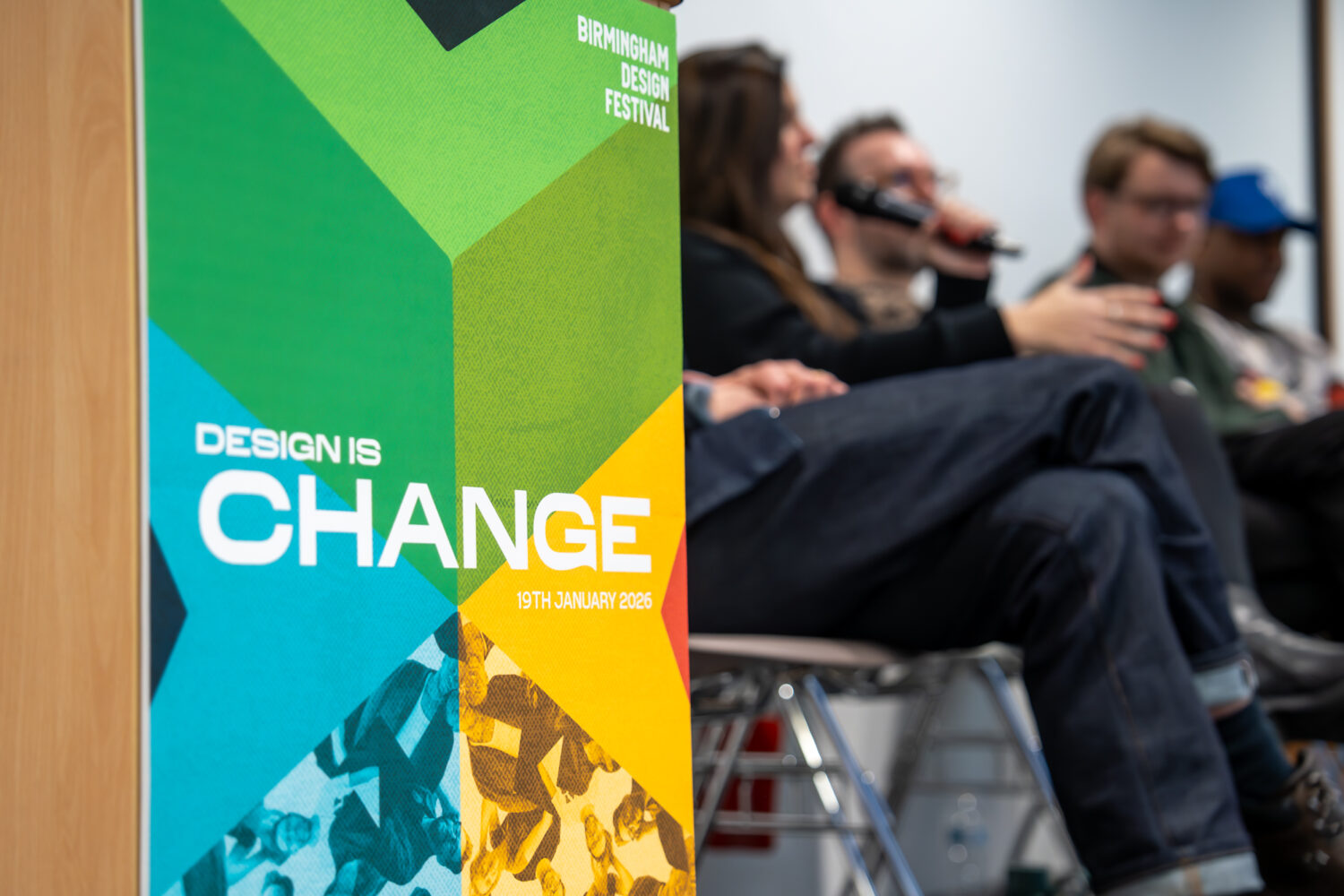
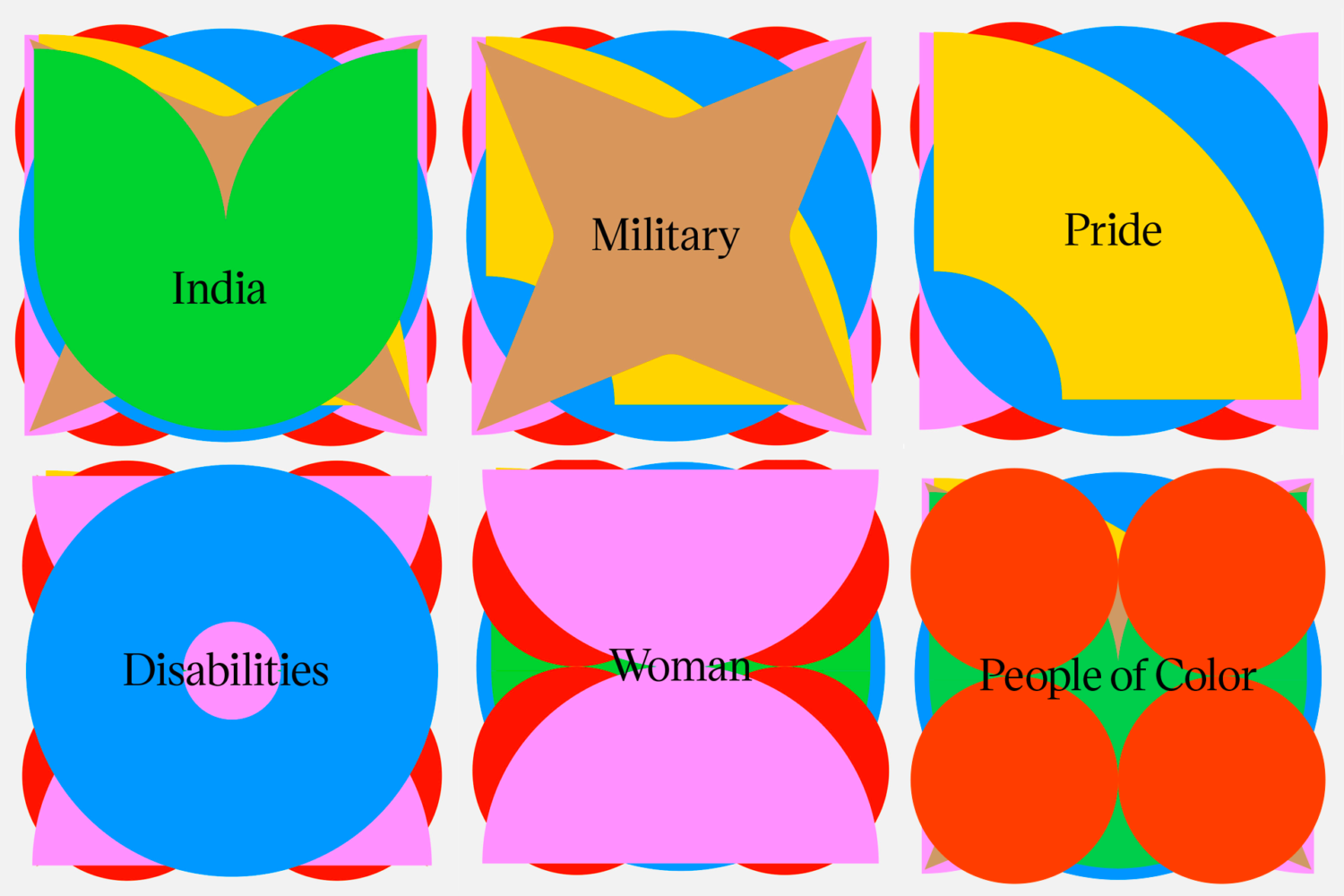
A key change is the introduction of the ‘Design With’ module. Taking place after the winter break, it includes talks, workshops, and a 3–4-week project—this year focused on the theme of change, with a design brief that centres on belonging and identity amid global political shifts. As part of a unique collaborative model, groups comprise students from different year groups who respond together to the project brief.
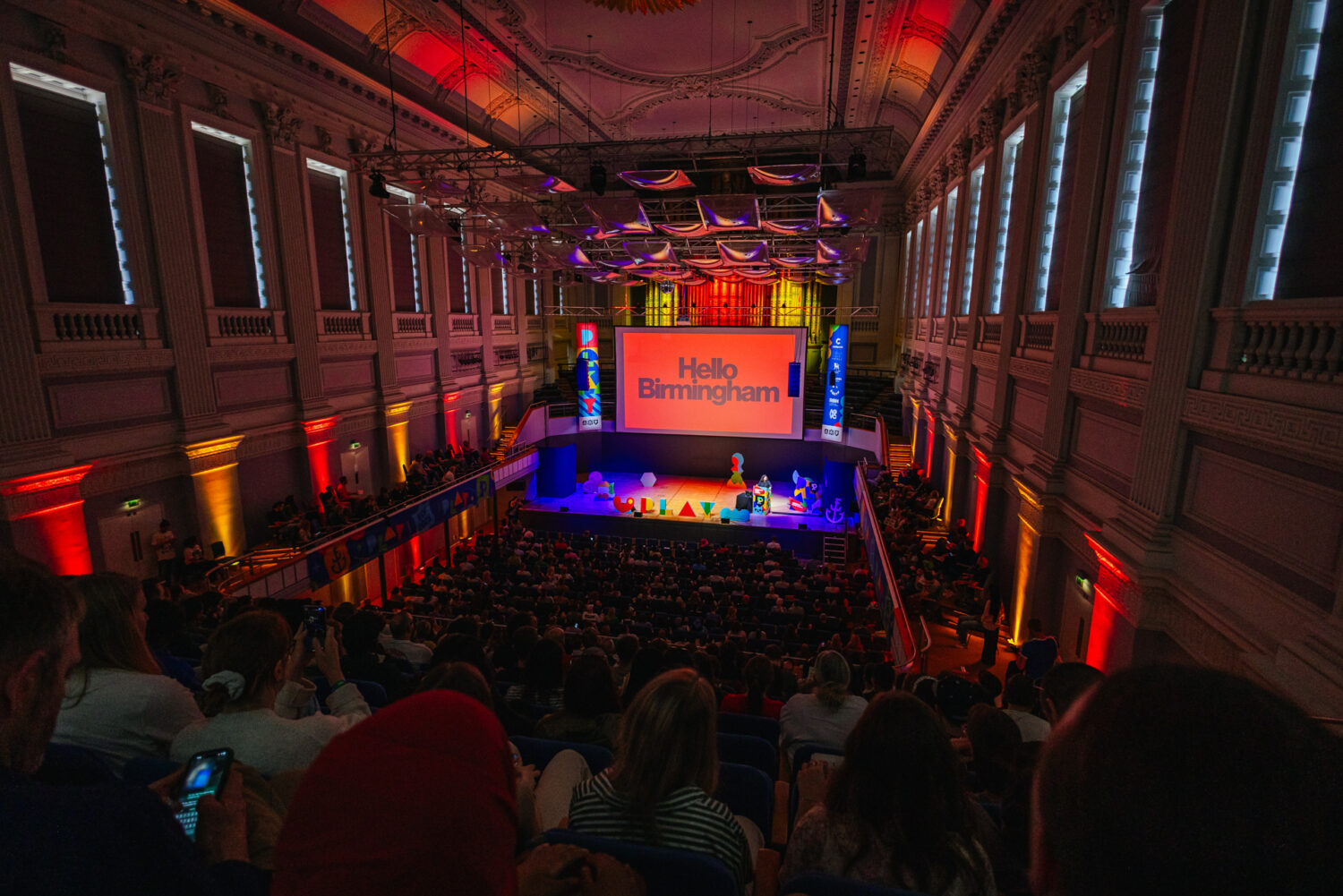
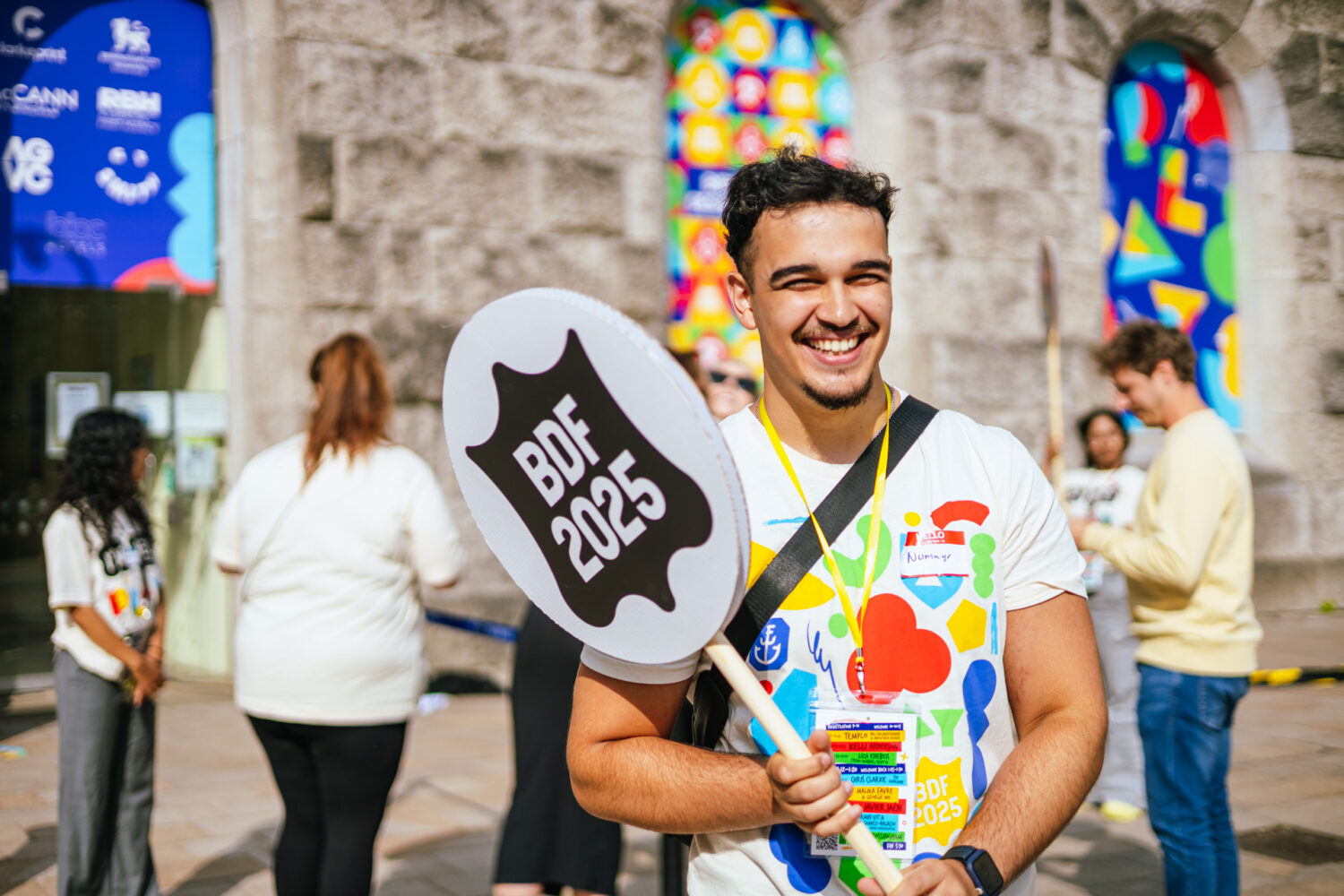
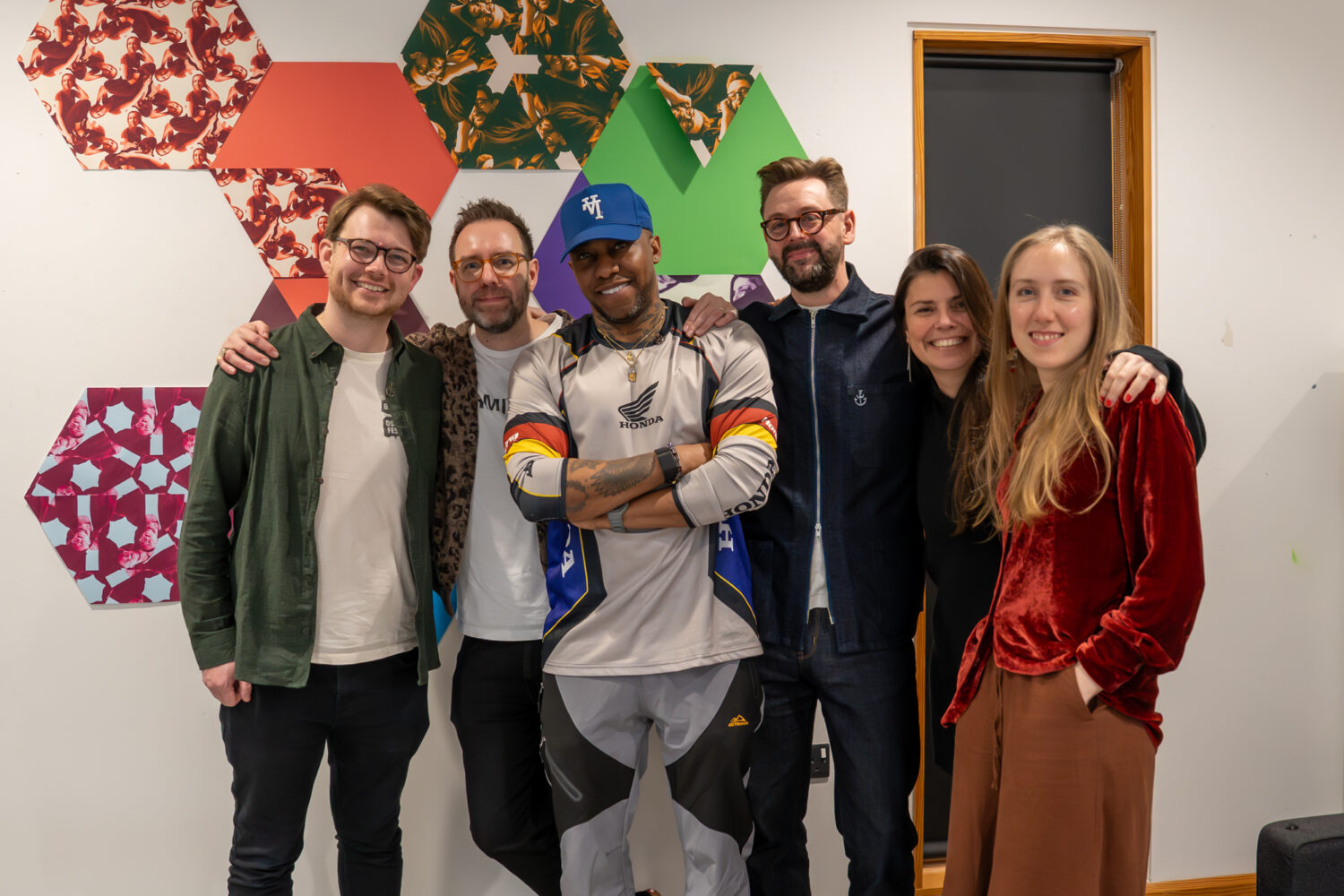
Kicking this off is an annual symposium curated by Birmingham Design Festival’s Luke Tonge and Daniel Alcorn, focusing on impact, purpose, and citizen responsibility. Joining them is an Avengers Assemble roster of speakers — Rejane Dal Bello, Jocie Juritz, Dines, and Chris Clarke, with each offering their interpretation of the theme of change.
If there’s one idea that underpins all of their perspectives, it’s this: change isn’t a one‑off event, it’s a constant. It’s inevitable.
Change as constant
“I realised that you don’t ever master change,” says The Guardian’s Editorial Creative Director Chris Clarke, “You just develop a relationship [with it].” As someone who works in an organisation where change is the default, his practice has provided a way to respond to things he’s curious about. Or sometimes, he describes it as a “vehicle to help me understand the world.”
One of the most recent examples of seismic change across the world —the COVID-19 pandemic — saw Chris create his ‘Work from Hope’ poster, a visual play on language and meaning. On praise and working from home. But, as he adds, it was part of a “bigger reflection” of a collective longing for hope.
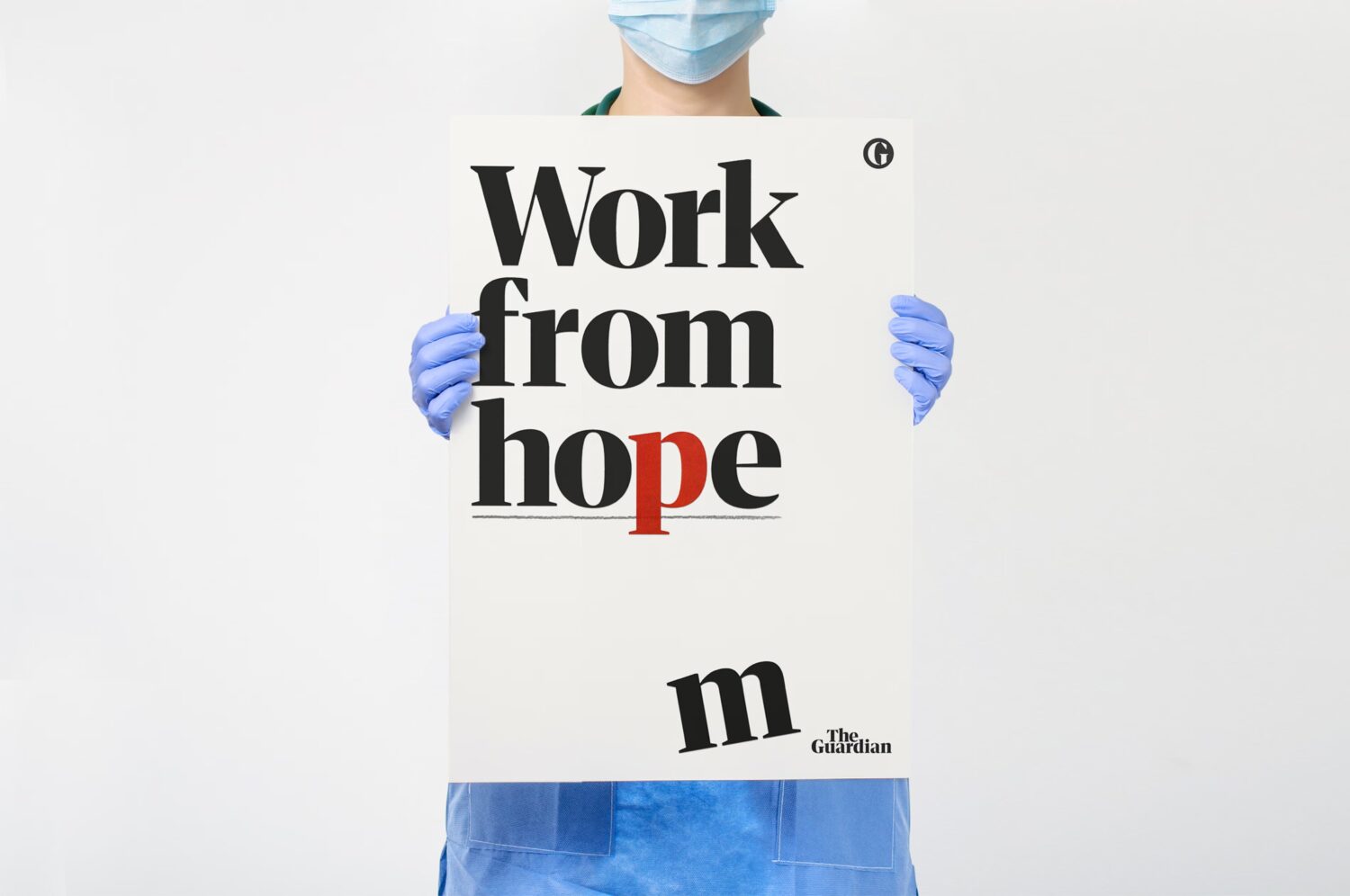
The poster alone raised over £50,000 for NHS charities in its first week of the year. Proof that these kinds of small acts of creativity can spark change, but also tap into a collective feeling, when we’re trying to make sense of a change bigger than ourselves.
Change in structures
In their talks, no one was afraid to get philosophical, looking at change in broader contexts. Discussions touched on the events we’re currently living through, sometimes described as the “omnicrisis.” In the face of overwhelm and a sense of powerlessness to effect societal change, graphic designer, art director, and Co-Founder of Birmingham Design Festival, Luke Tonge highlighted the importance of making small changes that aid the people around you —volunteering with local initiatives or supporting community events.
Both Tonge and Daniel Alcorn (Design Lead at Substrakt and Birmingham Design Director ) share a responsibility to push for cultural and structural change in the design industry. They are doing this through their own actions and through the Birmingham Design Festival — something that, as Alcorn explains, began as a “meet-up of 5 or so people.”
The duo, self-confessed “middle‑aged white men sitting at the centre of the privilege wheel,” explain how they acknowledge their privilege and use their voices and platforms to support change rather than ignore it. From curating more representative, values‑led programming to reducing financial and geographic barriers to access at their events, Tonge, Alcorn, and their team of collaborators are steadily nudging industry norms from behind the scenes.
Change as citizenship
Design itself, as a medium, is a marvellous tool for change.
As Rejane Dal Bello and her practice highlight, through the power of ‘design as a social responsibility,’ designers can change perceptions, bolster communities, and forge connections.
Sharing work for Alzheimer’s identity, mental health exhibitions, and work with a children’s hospital in Peru all show how deep engagement with complex social issues forces her to rethink her assumptions.
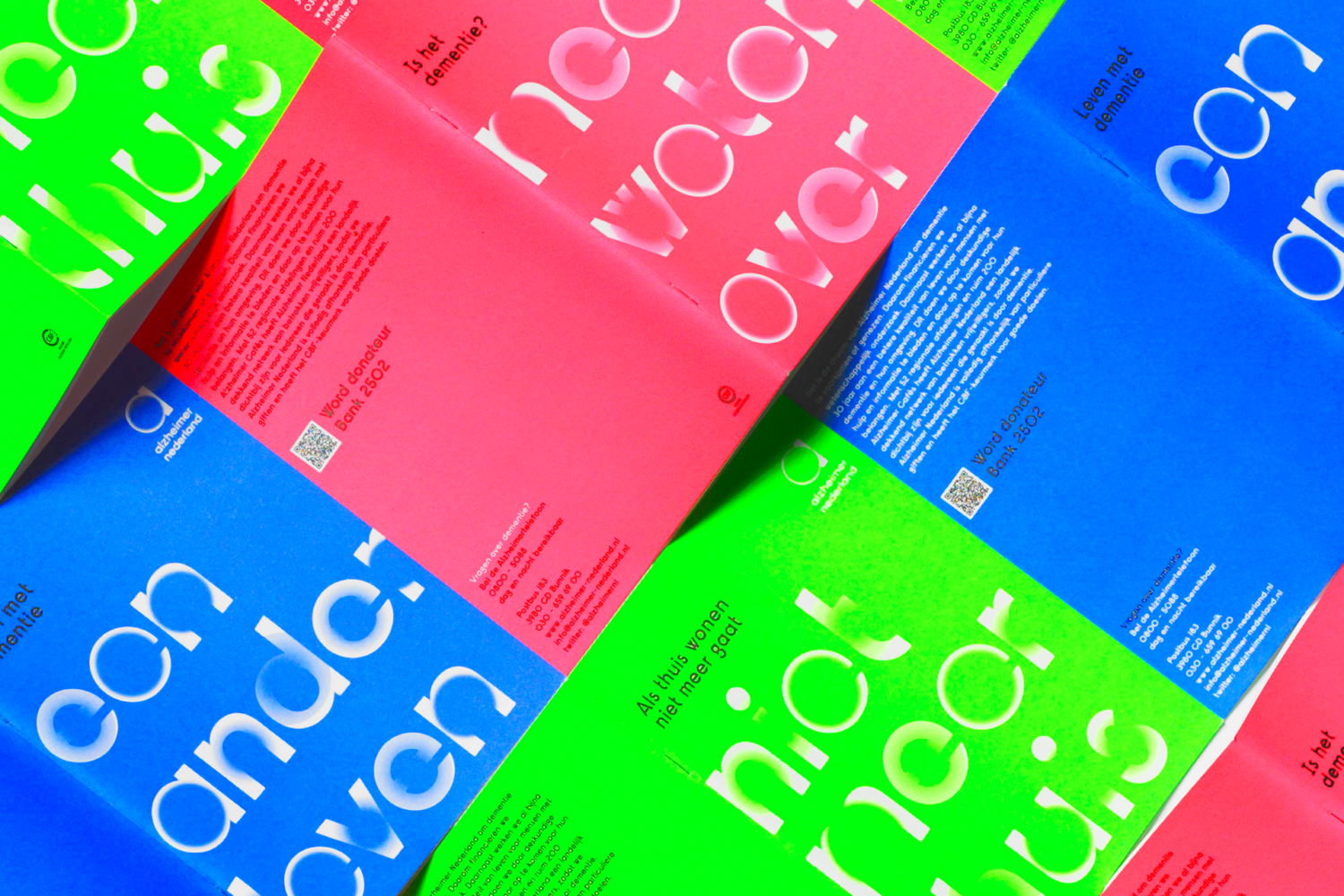
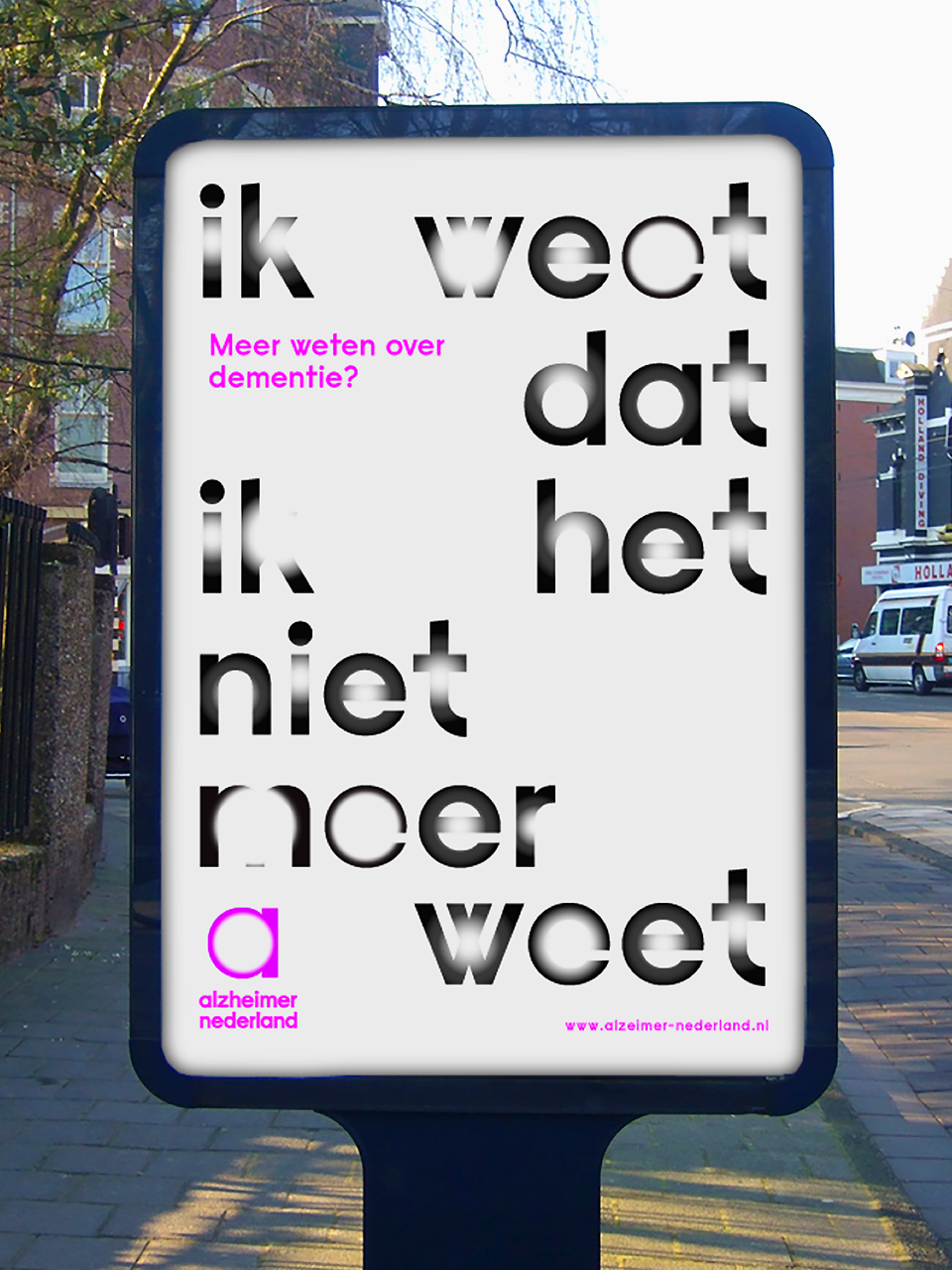
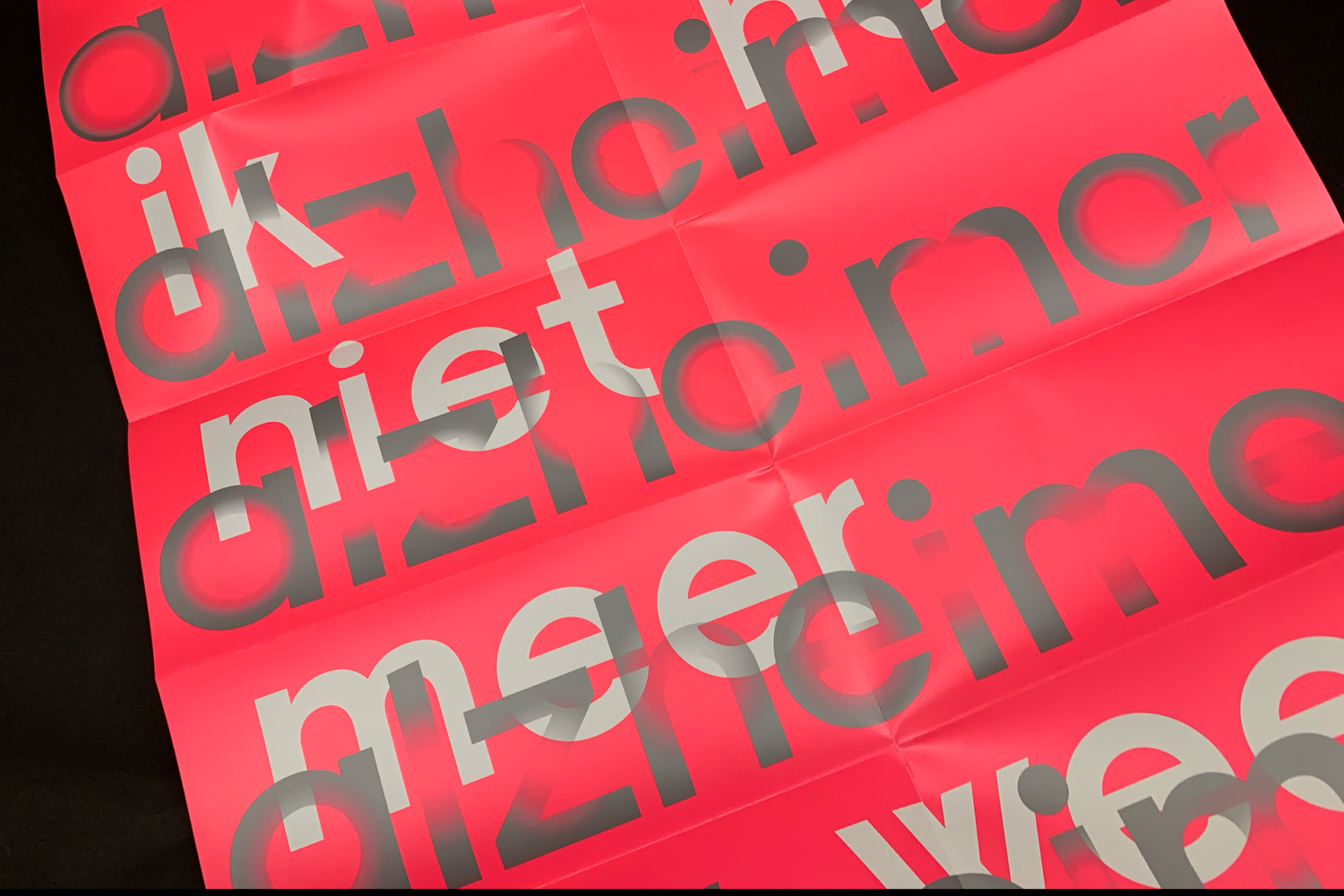
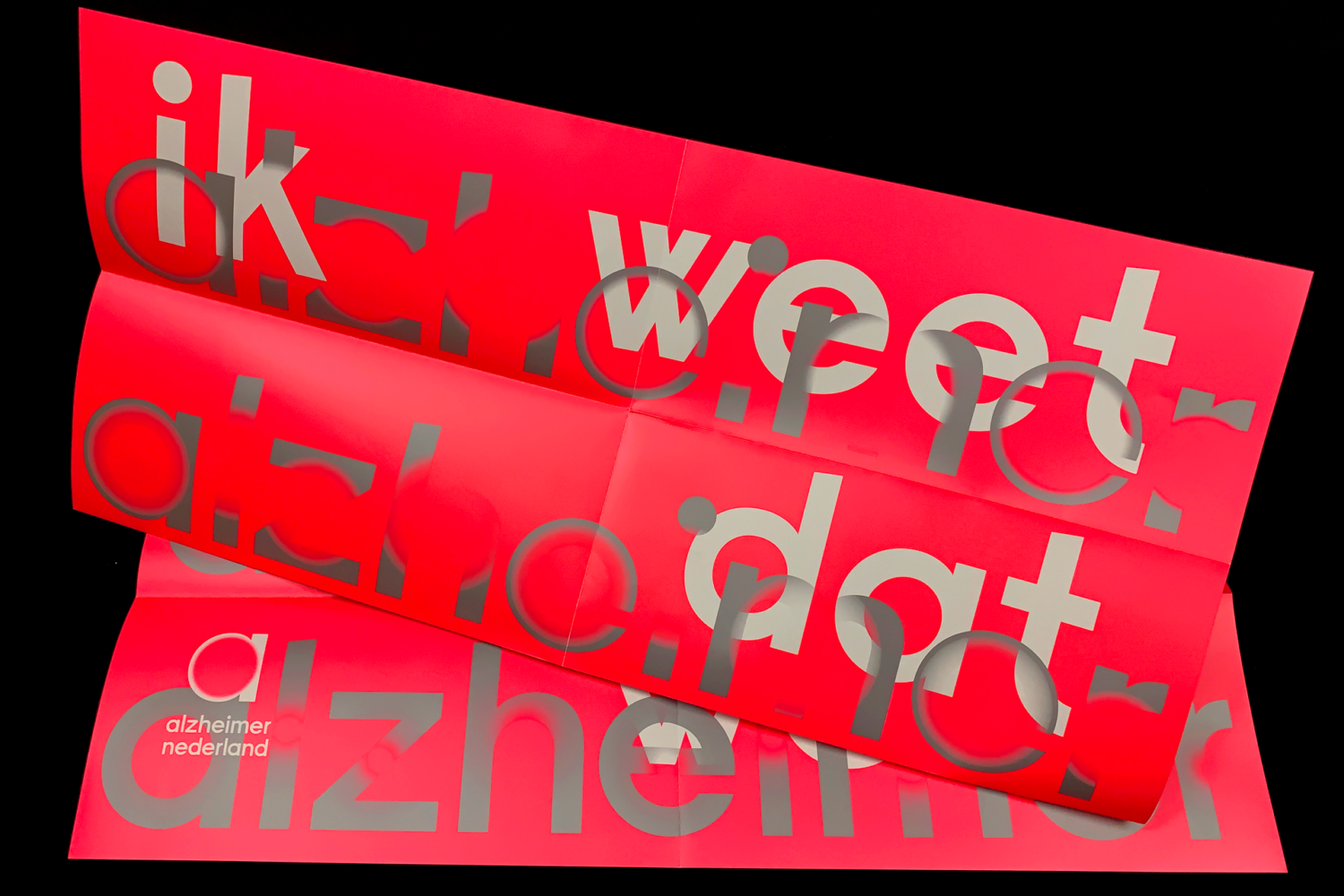
She begins her talk with an honest truth: “Normally, we always think about change as an external thing, how we change the other. But actually, the times that I learn the most are the times that the client changes me instead.”
Change, she points out, isn’t just about changing the world around us — it’s the world that changes us, too.
Throughout her talk, Dal Bello returns to this idea of reciprocal transformation: designers arrive with skills and intentions, but it’s the constraints, sensitivities, and lived realities of others that refine their thinking.
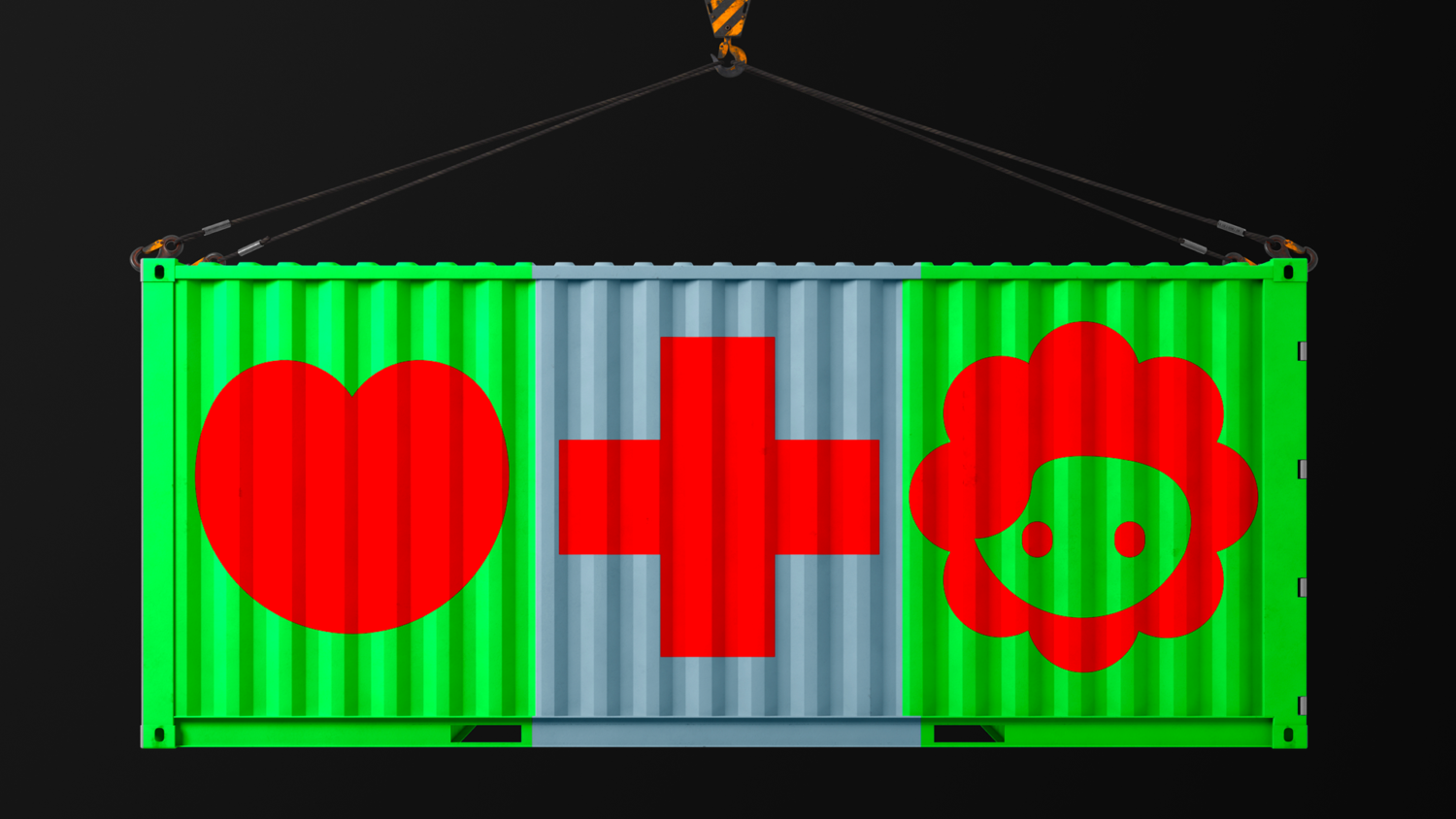
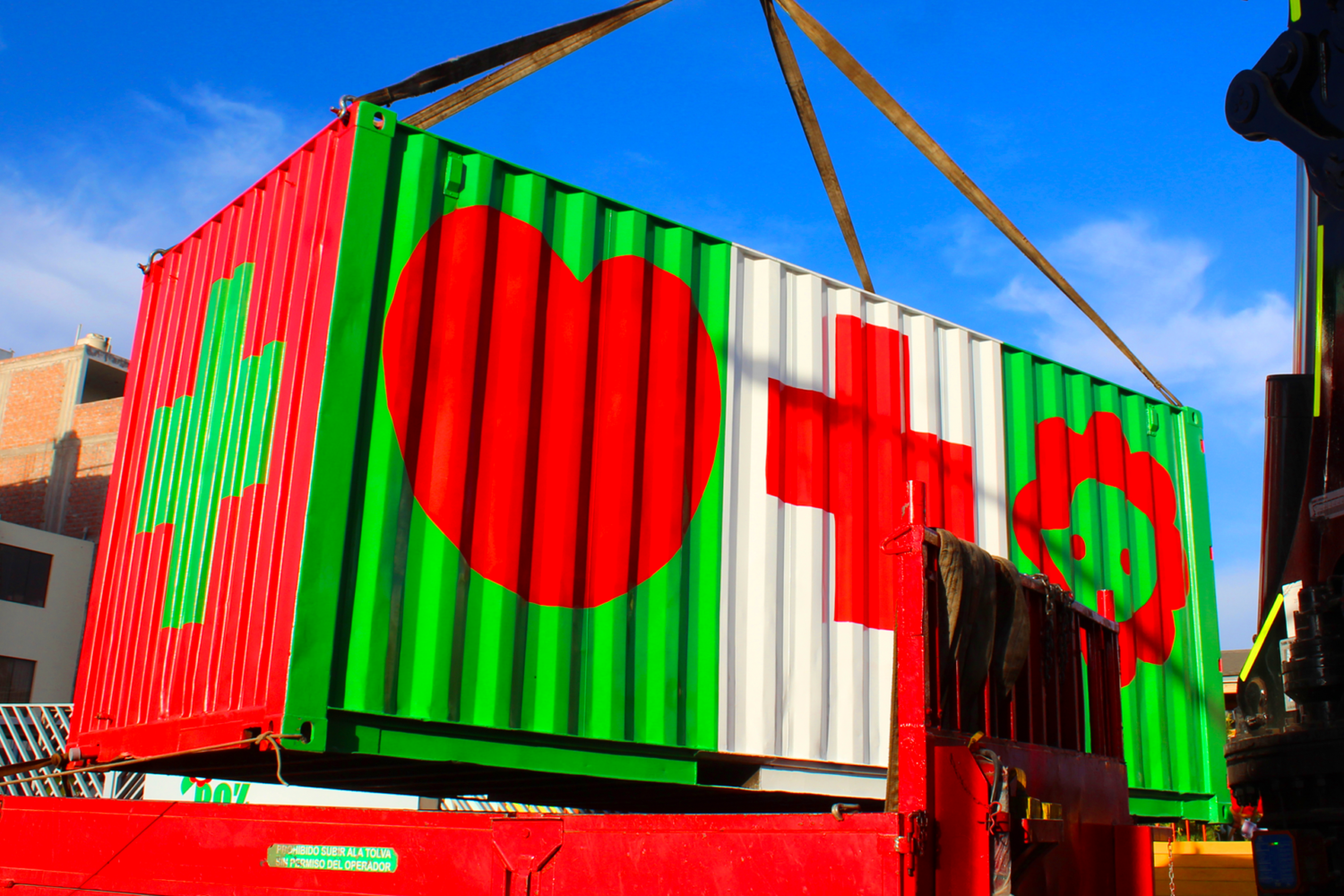
In this view, change is less a heroic, one-directional act and more an ongoing conversation — a process of listening, adjusting, and allowing projects, people, and contexts to reshape the designer as much as the designer reshapes outcomes.
“So the creative process, it is that this feeling moment of finding a project and through you, when it’s understanding rationally what the project needs, but actually through your skills, your understanding, through your thinking, distilling, what’s the best way to use graphic design”
Process, as Dal Bello shares, itself is a vehicle for change – creative alchemy.
And for Jocie Juritz, the exploration of change – via process and material – is woven into the very fabric of her career.
Change through process
For Jocie Juritz, London-based Animation Director, Illustrator, and creative polymath, change is not just a series of one-off pivots and events. It’s the constant. And curiosity is her jet fuel, driving her to explore new media rather than limiting herself to one field. “I love so many things. I have a burning need to just make in every medium,” she says. Although Juritz’s background is in animation, her inquisitive nature has led her to experiment with various crafts, including sewing, shoe-making (the catalyst for her signature Cat Boots!), ceramics, and rug tufting, among others.
She achieves unity in her work by reusing and evolving motifs, notably featuring a charming black cat, modelled after her pet Ziggy, as a recurring theme.
To anchor her practice amid waves of change and medium-hopping, Juritz is driven by story and narrative, and by defining clear rules to set parameters. In her work for The On Being Project’s Poetry Films series, which features animated interpretations of poems from their archive, she established two key rules that guided the project: first, to ensure fluid movement that reflects the fluidity of poetry, and second, to paint the animation frames directly onto the pages of the book.
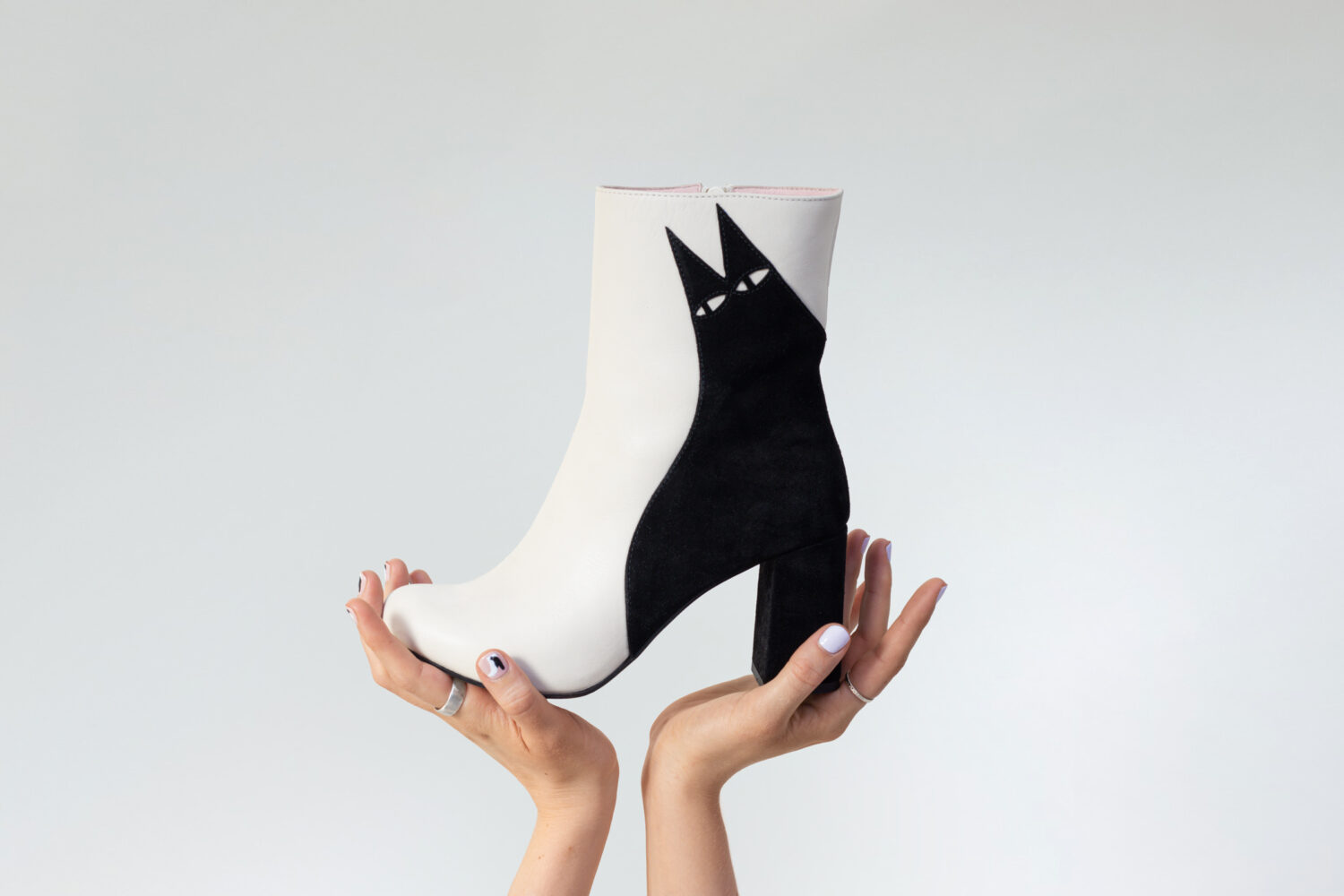
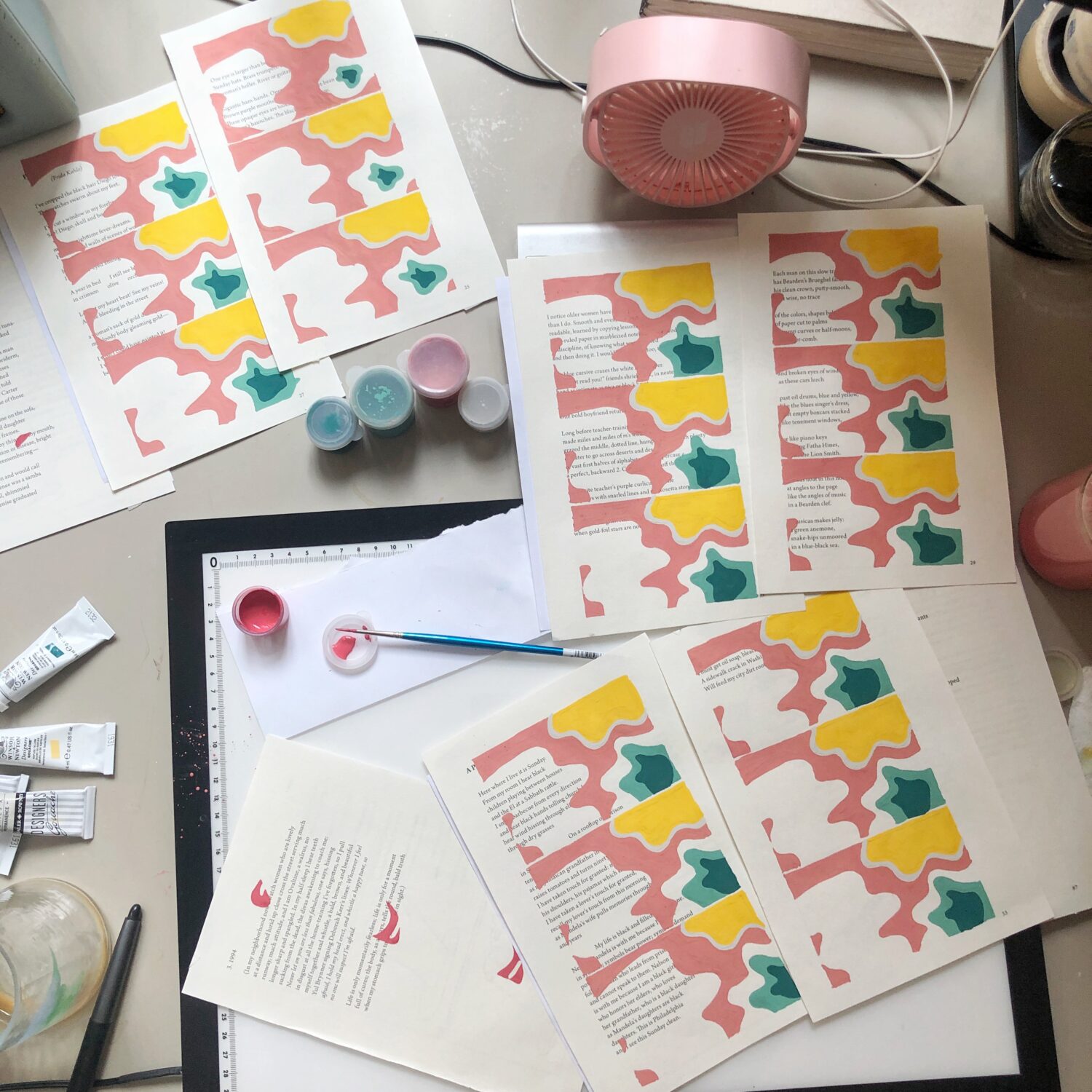
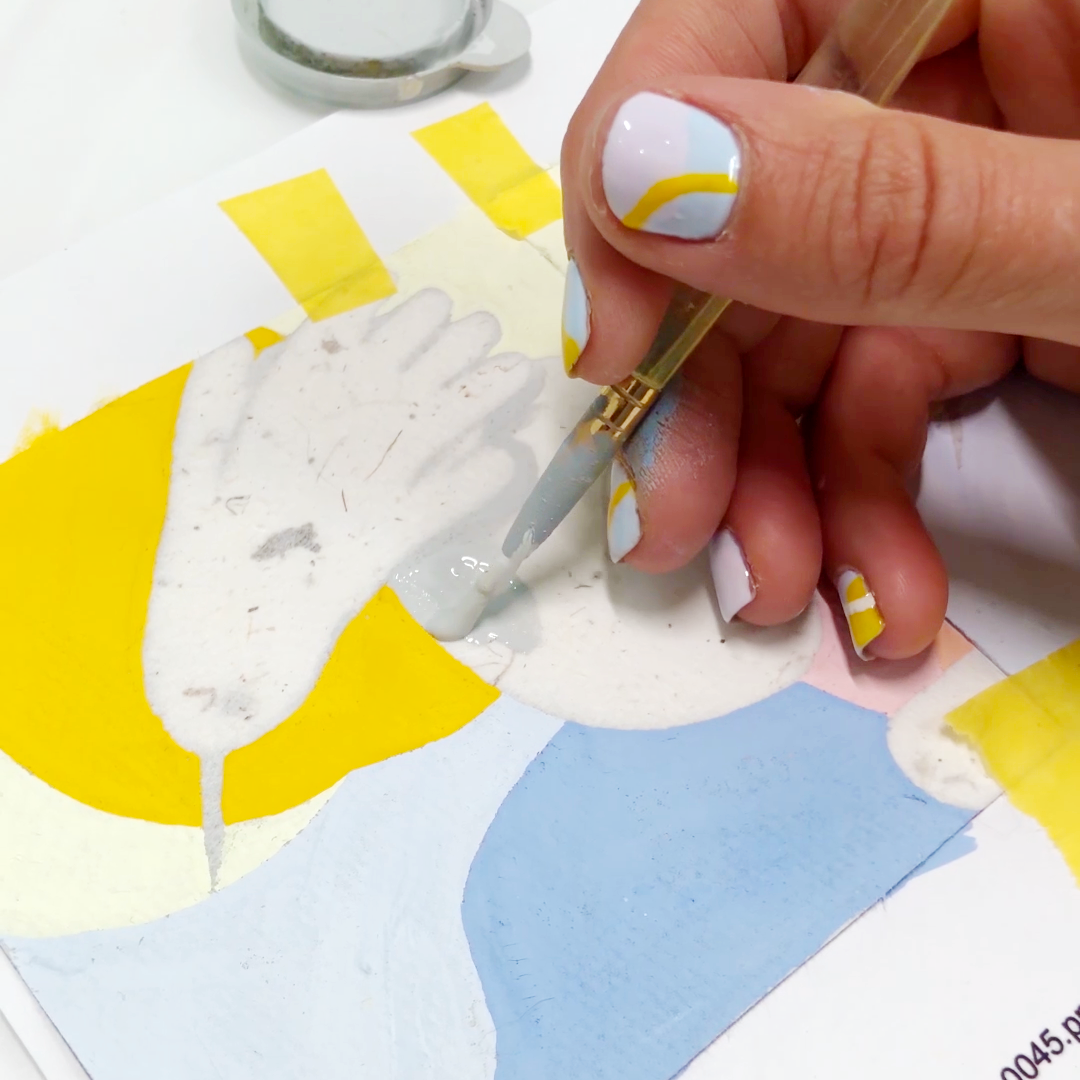
Every new tool, material, and process is an opportunity to push herself, embrace the mess, and have fun. “I feel that my career has really been one excuse to be playful after another,” she reflects.
While sticking with one medium and becoming a specialist is by no means a bad thing. But it’s this willingness to dive deep into the new and unfamiliar that keeps Juritz’s practice exciting.
These leaps are a gamble, sure, but as the saying goes, nothing changes if nothing changes.
Change as risk and reinvention
Like Juritz, Dines – Digital Artist, Co-founder and creative director of STUDIO BLUP – knows a thing or two about dreaming big and leaping into the unknown.
For Dines, risk is the engine of change and progress in his career, having shifted from an aspiring designer/illustrator into a hybrid of graphic design, illustration, and street art, explicitly rejecting the “normal creative system” to build his own path.
And as he shares, with big change comes big risk.
One anecdote he shares: Early on in his career, he travelled to Paris for 18 hours on a coach because he “couldn’t even afford to fly,” just to attend big conferences and network.
With “zero money,” he opted to spend what little he had on exposure, contacts, and learning rather than comfort.
Since then, pushing beyond discomfort, trying something different, all while staying faithful to himself, have been anchoring points of his philosophy.
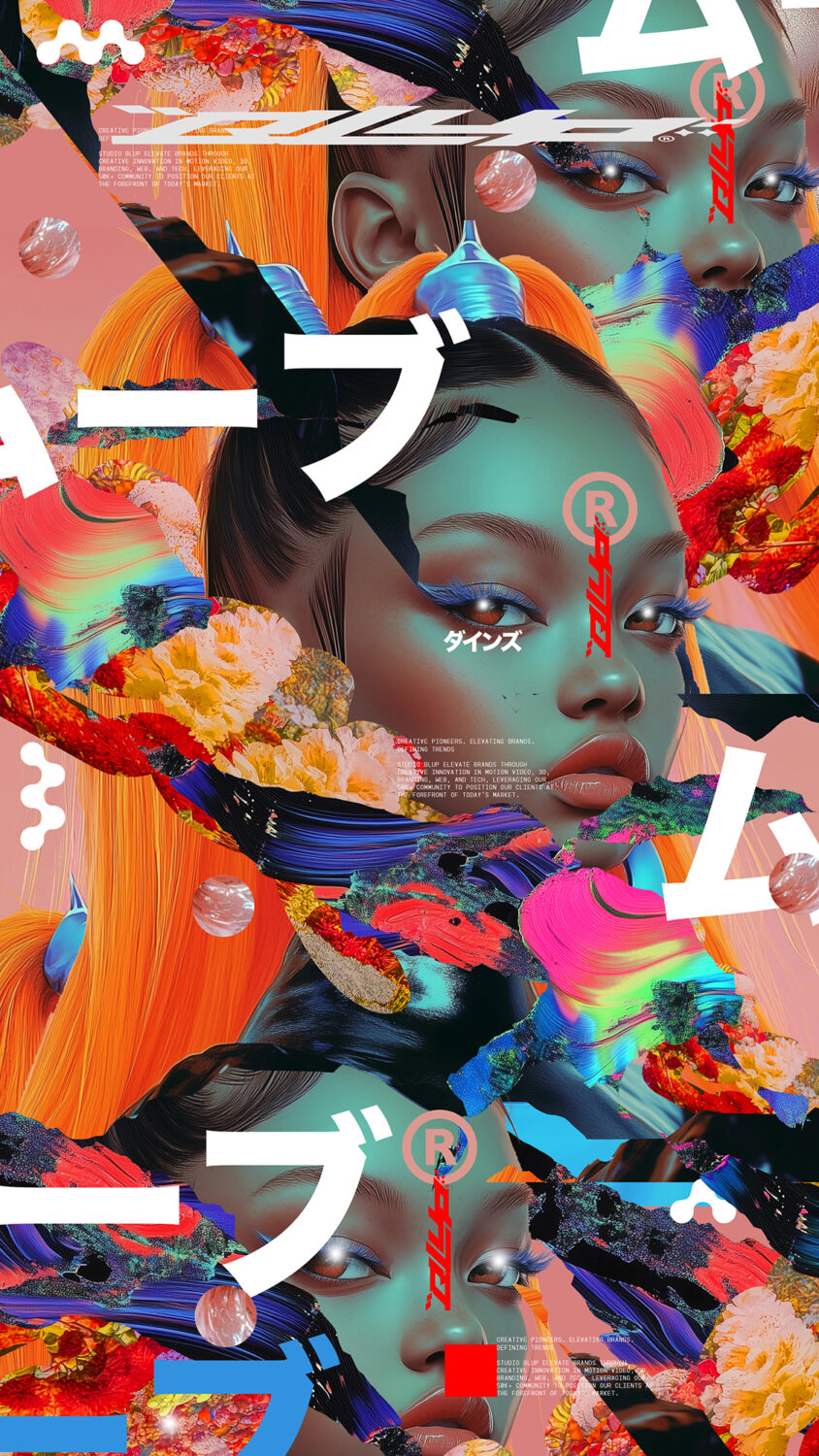
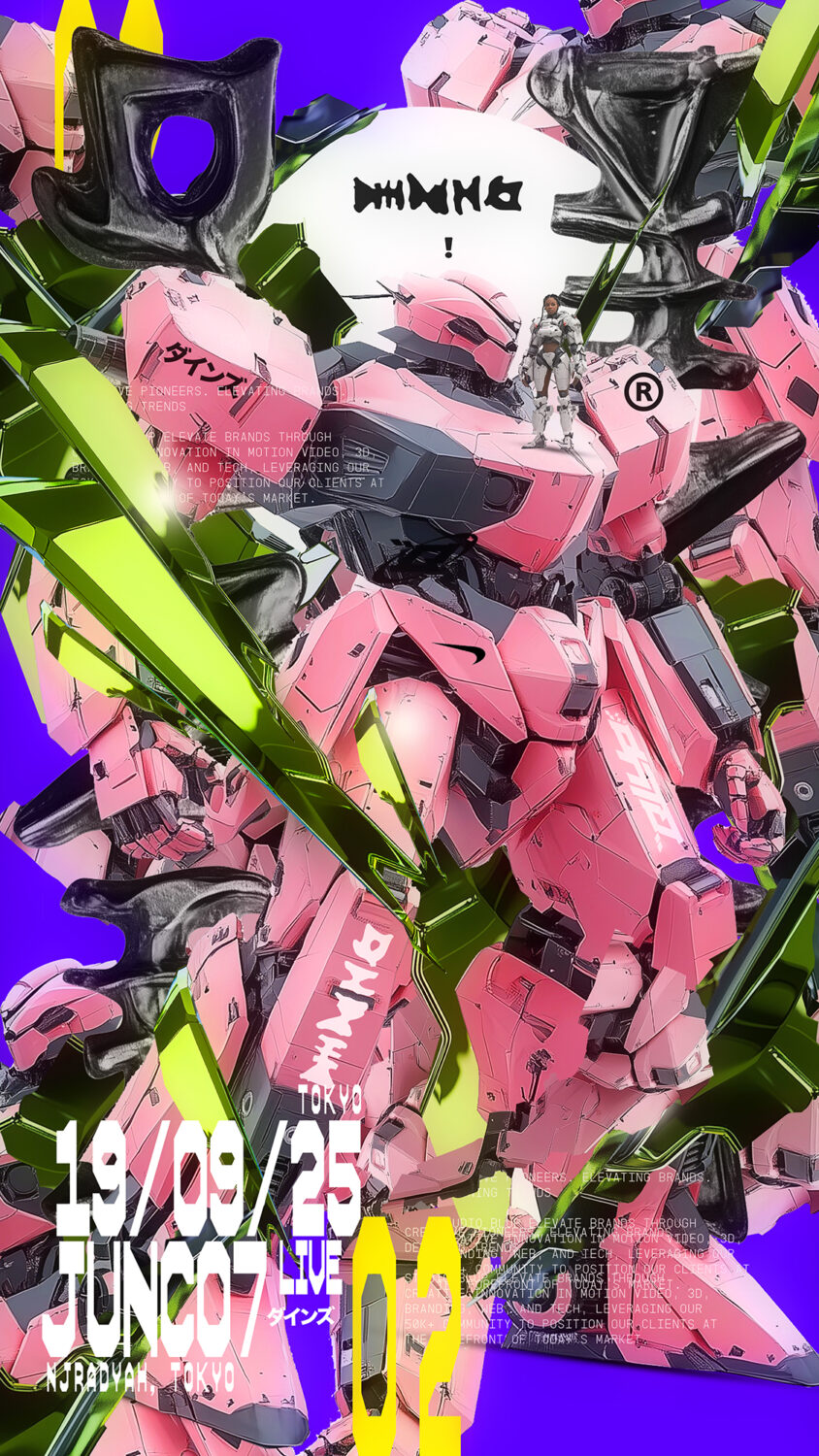
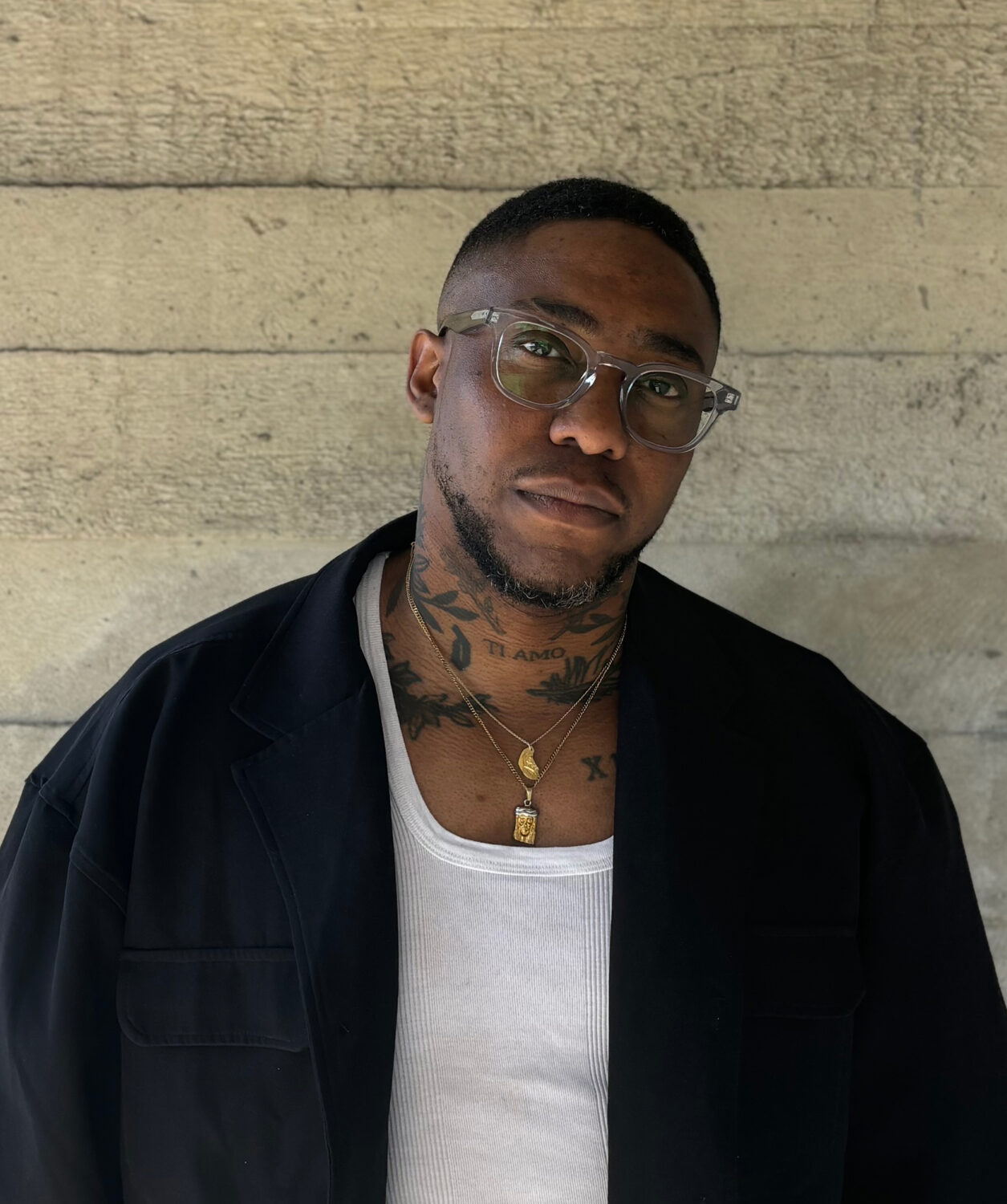
Change, for Dines, is an ongoing practice— he constantly pushes beyond briefs and trends: proposing unconventional ideas (e.g. immersive experiences, AI‑adjacent sneaker concepts, virtual shopping) that accepts that some ideas will be turned down but sees this risk as necessary to stand out and land bigger, more transformative projects.
It’s encapsulated in the ever‑changing BLUP logo (and the new 2025–26 logo) —
a deliberate practice of change — each iteration opens new creative directions and prevents the brand from becoming static.
While the weather in Cornwall was nothing less than wet and windy, the students inside Falmouth’s School of Communication ended the two-day event feeling energised – bolstered not only from the talks and workshops of award-winning creatives, but the collective energy of being together, in person, during a time of change that can feel turbulently inhumane. As Tonge and Alcorn summarise: “We believe in the power of being in the same space.”
So how does design keep up? By treating change as material, not background noise.
And how does education keep up? By flattening hierarchies, inviting industry in, centring criticality, and giving students live experiences of change.
Being a citizen-designer means recognising that our creations are not isolated artefacts; they are embedded within a web of systems that influence and shape our society. This perspective encourages a mindset rooted in curiosity, critical analysis, and the readiness to take risks and adapt as needed.
“If change is the only constant, curiosity is how you stay with it.” – Chris Clarke
Enjoyed this piece? Browse more of our resource editorials here.